On May 18th, the International Exchange Association at University of Jinan organized a special cultural excursion, bringing together foreign faculty members to explore one of the city’s most historic and scenic landmarks—Daming Lake and the Chaoran Pavilion. The event was designed to deepen the cultural understanding between international scholars and Chinese traditions, fostering an enriching environment for cultural exchange and collaboration.
Among the foreign faculty who joined the tour were Professors Ramy, Conor, and Sanjukta, all of whom play pivotal roles at University of Jinan. Their participation in the event underscored the importance of fostering relationships beyond the academic sphere and encouraged a broader appreciation for the city’s rich history.
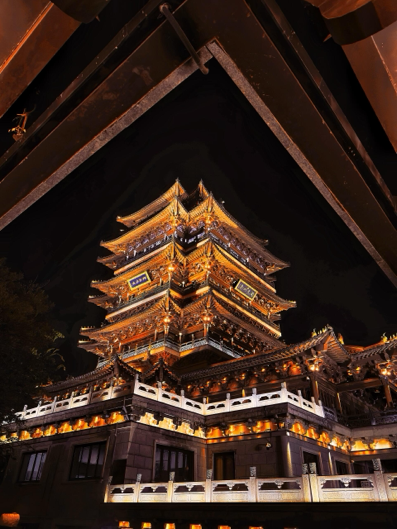
Daming Lake is renowned not only for its beauty but also for its historical significance. Its roots go back to the Han Dynasty, and it has long been a haven for scholars, poets, and artists. The Chaoran Pavilion, located on the eastern side of the lake, was built during the Ming Dynasty and is an iconic structure that has witnessed centuries of cultural, philosophical, and literary discussions. By visiting these landmarks, the foreign faculty had the chance to connect with the cultural fabric of Jinan in a personal and intimate way.
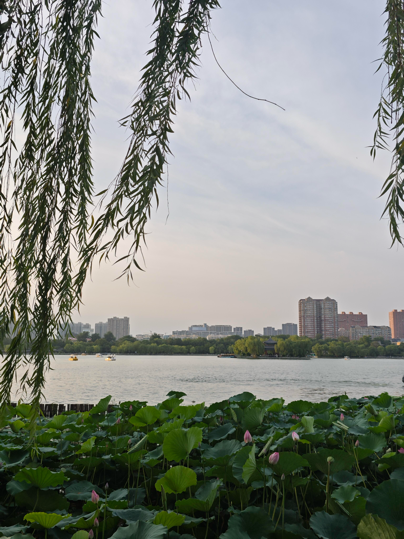
The main purpose of this excursion was not only to showcase the beauty of Daming Lake and Chaoran Pavilion but also to highlight the significance of these cultural sites as part of Jinan's history and heritage. Additionally, the trip served to foster meaningful interactions between the international faculty members and their Chinese counterparts, allowing for a genuine exchange of perspectives on culture, history, and academia.
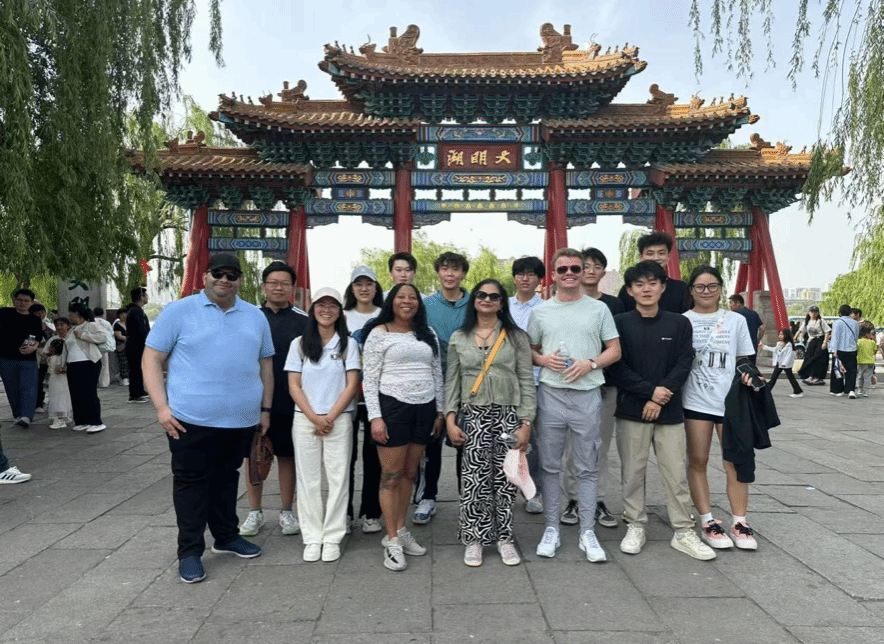
The event began early in the morning, with the participants gathering at the entrance to Daming Lake. The weather was ideal for outdoor exploration, with clear skies and a mild breeze that made the surroundings even more inviting. After a brief introduction by the members of the International Exchange Association, the group embarked on their journey around the lake, which is celebrated for its picturesque landscape and historical significance.
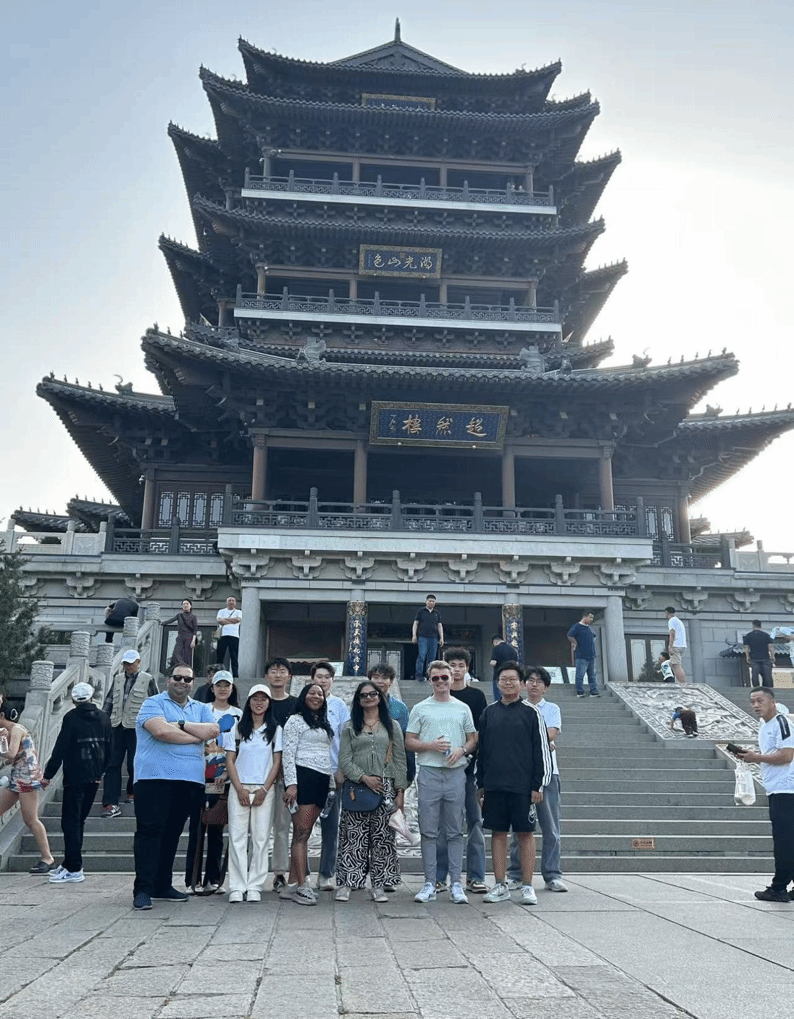
The first stop on the tour was the iconic Chaoran Pavilion, perched majestically on the eastern shore of Daming Lake. As the group approached the pavilion, they were struck by the exquisite traditional Chinese architecture—sleek wooden beams, intricate carvings, and expansive eaves that seemed to touch the sky. The pavilion, a tranquil and serene place, has historically been a gathering spot for poets, philosophers, and scholars,
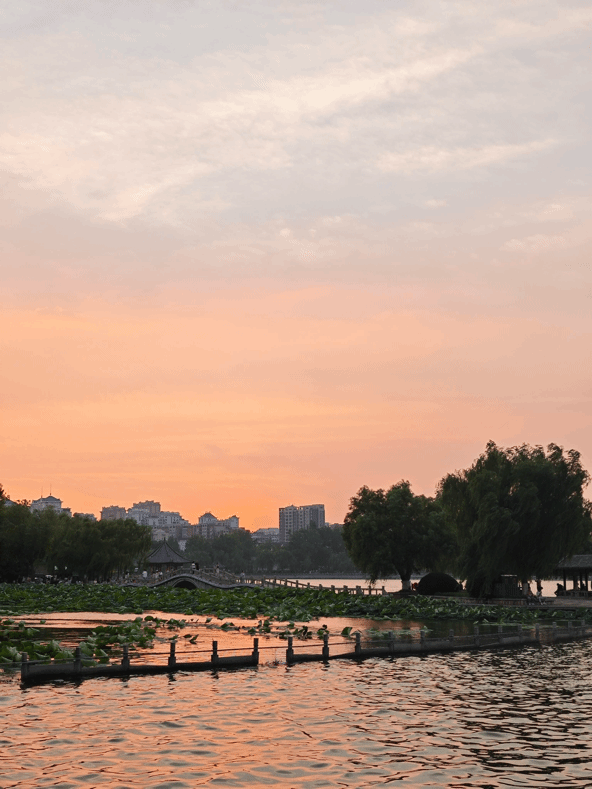
where they would compose poetry or engage in intellectual discourse. Professor Ramy, who has a deep appreciation for Chinese literature, was particularly fascinated by the connection between the pavilion's surroundings and the creativity that blossomed there. He reflected on the importance of place in the creative process, sharing how the peaceful environment of Chaoran Pavilion might have inspired countless literary works throughout history.
The group was guided by a local expert, who provided insights into the history of Daming Lake and the pavilion’s cultural relevance. The foreign faculty members were particularly intrigued by the connection between the site and Chinese classical literature, as well as the ways in which this area has served as a source of inspiration for both past and present generations.
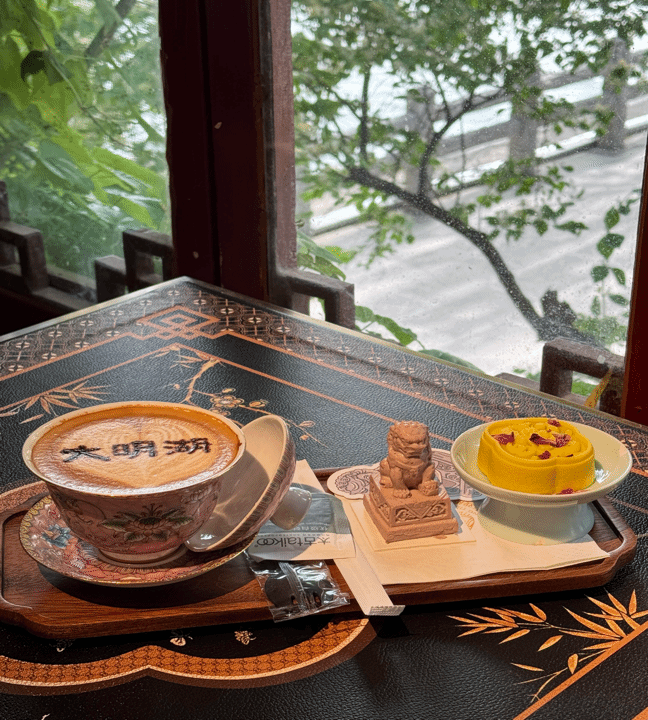
Another highlight of the tour was the traditional boat ride on Daming Lake. The gentle swaying of the boat, surrounded by lush greenery and distant views of the mountains, offered a peaceful moment for contemplation and connection with nature. As the boat glided through the water, participants exchanged thoughts on the beauty of the landscape, drawing comparisons between the natural scenery of Jinan and similar landscapes in their home countries.
Throughout the day, Professor Conor, an expert in East Asian culture, shared his thoughts on the role of nature in Chinese philosophy. He discussed how elements of nature, such as water, mountains, and trees, are often seen as symbols of spiritual growth and balance in Chinese culture. This sparked an engaging conversation among the group about the various ways different cultures perceive and interact with nature.
The day also featured an impromptu poetry reading by Professor Sanjukta. With her background in comparative literature, she read a poem inspired by the tranquil setting of Chaoran Pavilion, blending elements of both Chinese and Indian traditions. The poem was warmly received by the group, sparking an insightful discussion on the universal themes of nature, reflection, and creativity that transcend cultural boundaries.
As the day came to a close, the group gathered for a final photo near the water’s edge, capturing the essence of the day—an experience that combined the exploration of Jinan’s cultural treasures with meaningful academic and personal exchanges. The smiles of the foreign faculty, surrounded by the beauty of Daming Lake, reflected the success of the day’s event.
The excursion to Daming Lake and Chaoran Pavilion proved to be a resounding success, offering far more than just a sightseeing experience. It was a valuable opportunity for the foreign faculty members to gain a deeper understanding of Jinan’s cultural and historical heritage. The day’s activities fostered not only an appreciation for the city’s iconic landmarks but also a meaningful exchange of ideas and perspectives between foreign and Chinese educators.
For the international faculty, the trip was a chance to experience firsthand the historical and cultural significance of the sites they teach about in their classrooms. For Chinese students and staff, it was an opportunity to share their cultural heritage with their international colleagues, strengthening the sense of community within University of Jinan’s diverse academic environment.
Beyond its cultural and academic benefits, the event demonstrated the importance of intercultural exchange in higher education. As globalization continues to shape the landscape of education, it is crucial to provide opportunities for cross-cultural interactions that promote mutual understanding and respect. Events like these not only allow foreign faculty to gain a deeper insight into Chinese culture but also enable them to share their own cultural traditions with their Chinese peers, fostering a more inclusive and diverse academic community.
In conclusion, the visit to Daming Lake and Chaoran Pavilion was a successful initiative that exemplified the core values of the International Exchange Association—fostering cultural understanding, building bridges between East and West, and creating a lasting sense of community among international and Chinese educators. This event is just one of many that University of Jinan plans to organize, continuing to promote a rich, diverse, and inclusive educational environment for all.